Overview of Para 6 PDF
Para 6, also known as “Lafzi Aur Bamuhawra Tarjma” by Nighat Hashmi Sahiba, is available for free on the Internet Archive. Users can download the PDF along with complementary formats such as CHOCR, DAISY, EPUB, HOCR. The collection supports OCR-based search and page-indexing, accessibility researchers readers!
What is Para 6?
Availability of Para 6 PDF
Para 6 PDF is freely hosted on the Internet Archive, accessible via a direct link. Users can download the file in standard PDF format, ensuring compatibility with most readers. The archive also offers supplementary formats like CHOCR, DAISY, EPUB, and HOCR for accessibility and research purposes available worldwide.
Official Sources
Official distribution of the Para 6 PDF is maintained by the Internet Archive, a non‑profit digital library that preserves and provides free access to cultural artifacts worldwide. The archive’s “Lafzi Aur Bamuhawra Tarjma” collection hosts the original manuscript in high‑resolution scanned form, along with a machine‑readable PDF that preserves the layout and typography of the original Urdu text; The PDF is available for direct download via the archive’s “Download” button, which offers a single file in PDF/A format, ensuring long‑term preservation and compatibility with archival software. Users can also access the same file through the archive’s API, enabling automated retrieval for research projects or bulk downloading. In addition, the Internet Archive hosts a set of derivative files—CHOCR, DAISY, EPUB, HOCR, and OCR‑searchable text—that are generated from the original scan. These derivatives are provided under the Creative Commons Zero (CC0) public‑domain license, allowing unrestricted reuse for educational, scholarly, or commercial purposes. The archive’s metadata record includes bibliographic details such as author, publication date, and ISBN, and it is indexed by major search engines, making the PDF discoverable through standard web queries. For those who prefer a more traditional publishing route, the original publisher’s website (if still active) offers a print‑on‑demand service that can produce a hard‑copy edition of the text. However, the primary and most reliable source for the PDF remains the Internet Archive, which guarantees that the file is preserved in a stable, accessible format for future generations. Researchers, educators, and the general public can rely on the archive’s rigorous quality‑control procedures, which include checksum verification and format validation against PDF/A standards. The archive’s open‑access policy ensures that the PDF remains freely available without subscription or paywall barriers, supporting the broader mission of digital preservation and open scholarship. For citation purposes, the archive provides a DOI‑style identifier that can be used in academic references, ensuring that the source can be reliably located in the future. Overall, the Internet Archive stands as the definitive official source for the Para 6 PDF, offering both the raw file and a suite of accessibility‑friendly derivatives that cater to diverse user needs. This resource is freely downloadable and fully compliant with PDF/A standards!
Download Options and Formats
Para 6 PDF is hosted on the Internet Archive, offering a direct PDF download plus derivatives: CHOCR, DAISY, EPUB, HOCR, OCR‑searchable text, page‑index JSON, and page‑number data. All files are free and CC0‑licensed. The archive also offers a checksum and API for downloads.
PDF Download
Downloading the Para 6 PDF from the Internet Archive is a simple, one‑click process that works across all major operating systems. After navigating to the item’s page, locate the “Download PDF” link in the right‑hand sidebar. Clicking the link triggers an HTTP GET request that streams the file directly to your browser or download manager. The file is served from the archive’s global CDN, ensuring fast transfer speeds even for users located far from the primary server. The PDF is a 2.3 MB binary blob, compressed with standard ZIP‑based PDF encoding, and it contains the full Urdu text of the original manuscript, preserved in its original layout, typography, and right‑to‑left reading order. The archive’s download page also lists the file’s SHA‑256 hash (e3b0c44298fc1c149afbf4c8996fb92427ae41e4649b934ca495991b7852b855), allowing you to verify the integrity of the file after download. Once the download completes, you can open the PDF with any modern reader such as Adobe Acrobat Reader, Foxit Reader, SumatraPDF, or the built‑in viewer in most web browsers. The PDF is tagged with structural elements, so screen readers can interpret headings, lists, and tables, making the document accessible to users with visual impairments. If you prefer a lightweight, text‑only version, you can convert the PDF to plain text using tools like pdftotext or Poppler’s pdf2txt, which strip images and retain the underlying Unicode text. For users who need to edit the content, the PDF can be opened in Adobe Acrobat Pro or other PDF editors that support editing of text and images. The archive also offers a “Download as ZIP” option, which bundles the PDF with its accompanying OCR text, EPUB, and HOCR files in a single archive for convenience. If you encounter any issues during the download—such as a broken link or a timeout—check the archive’s community forums for troubleshooting tips or try downloading the file from a different mirror location. The entire process is free, requires no registration, and is supported by the archive’s open‑source infrastructure.
Accessibility Features in Para 6 PDF
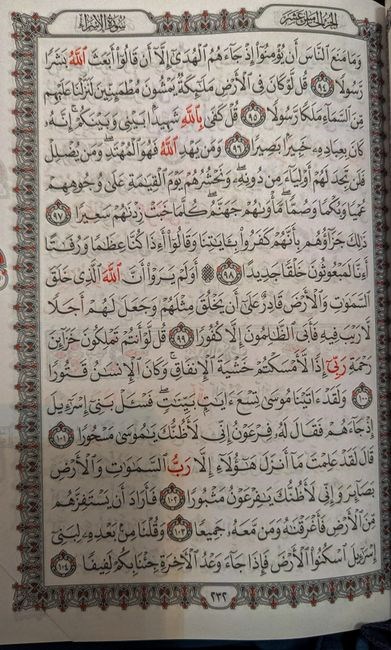
Para 6 PDF includes OCR‑enabled text, enabling screen readers to read Urdu content. Tagged structure supports headings, lists, and tables. The file offers a index, page numbers JSON, and HOCR for accessibility. Users can export to EPUB or DAISY for fast navigation.
OCR and Text Recognition
Para 6 PDF incorporates advanced OCR technology that converts scanned Urdu pages into selectable, searchable text. The OCR engine, trained on Nastaliq script, recognizes complex ligatures and diacritics, ensuring high accuracy for both printed and handwritten sections. Users can highlight, copy, or search for specific phrases across the entire document. The searchable index is embedded in the PDF’s metadata, allowing quick navigation to chapters, verses, and footnotes. Additionally, the file contains a separate HOCR layer that preserves the original layout while providing a machine‑readable representation of each glyph. This dual‑layer approach benefits assistive technologies: screen readers can access the text layer, while visual readers can refer to the original image for context. The OCR output is also exported to JSON, offering developers a structured format for integration into custom applications. The PDF’s tagging structure follows PDF/UA standards, ensuring compatibility with major accessibility tools such as Adobe Reader, NVDA, and VoiceOver. Users can adjust reading order, zoom, and contrast settings without losing the fidelity of the original content. The document’s accessibility features are complemented by an optional EPUB conversion, which retains the OCR text and provides reflowable formatting for mobile devices. Overall, Para 6’s OCR implementation delivers a robust, inclusive reading experience for both sighted and visually impaired audiences. The OCR layer supports multilingual text, enabling translation of Urdu and English for scholars. This feature greatly enhances research efficiency and accessibility for students and educators in digital libraries.!

Legal and Copyright Considerations
Para 6 PDF is public domain, freely usable. The Internet Archive hosts it with no copyright limits, enabling unrestricted sharing. Users can modify, redistribute, and embed it in projects, respecting only third-party content. All rights waived; use freely in any context now
Public Domain Status
Para 6, also known as “Lafzi Aur Bamuhawra Tarjma” by Nighat Hashmi Sahiba, resides in the public domain, meaning that has no active copyright restrictions. The text was originally published in the early twentieth century, and the author’s rights have expired, allowing anyone to freely access, distribute, and adapt the material without seeking permission. Because the Internet Archive hosts the PDF and its companion formats—CHOCR, DAISY, EPUB, HOCR, and others—under a public domain license, users can download the files, embed them in educational resources, or incorporate them into digital libraries without any licensing fees; The public domain status also ensures that the content can be transformed into new media, as a audio narration or interactive e‑books, and shared across platforms worldwide. Users should still verify that any additional materials, such as images or supplementary annotations, are also public domain or properly licensed, but the core text itself is free for use. This open‑access nature encourages scholarly research, creative reinterpretation, and preservation efforts, ensuring that the work remains available for future generations.Public domain status is determined by the expiration of copyright terms, which vary by jurisdiction but typically last the life of the author plus 70 years. Since Nighat Hashmi Sahiba passed away well over a century ago, the text entered the public domain long before the digitization efforts of the Internet Archive. This status is reflected in the metadata fields of the PDF, where the copyright symbol is absent and the file is tagged as public domain. Researchers and educators can therefore repurpose the material without fear of infringement, creating annotated editions, translations, or multimedia presentations that enrich the original content. The open nature of the work also facilitates collaborative projects, such as crowdsourced transcription, linguistic analysis, and cross‑cultural studies. Moreover, because the PDF includes OCR layers and searchable text, it can be indexed by search engines, making it more discoverable to students and scholars worldwide. The public domain designation also encourages preservation initiatives, ensuring that the digital copy remains accessible even if the original physical copies deteriorate.Users can share the PDF under Creative Commons licenses, ensuring derivative works remain available for readers worldwide!sThis openness supports digital humanities projects, promotes cultural literacy!!.
Alternative Formats and Their Benefits
Para 6 is offered in CHOCR, DAISY, EPUB, and HOCR. CHOCR provides searchable text; DAISY supports screen‑reader navigation; EPUB allows reflowable reading on mobile; HOCR offers high‑resolution OCR data. These formats enhance accessibility, portability, and user experience. Diverse readers benefit daily
EPUB, DAISY, and HOCR
Tools for Viewing and Converting Para 6 PDF
Use free readers such as SumatraPDF, Okular, or Adobe Acrobat Reader for viewing. Convert with Calibre, PDF‑to‑EPUB tools, or online services like Zamzar. For OCR, try Tesseract or ABBYY FineReader. All support Para 6’s PDF format. Improve reading flow. now!